The Heraklion to Athens ferry is one of the busiest overnight routes in Greece, connecting Crete’s largest city directly to Piraeus port in around nine hours — a practical, comfortable alternative to flying, especially if you’re travelling with a car.
Whether you’re heading from Crete to Athens for the first time or you’re a repeat traveller looking for specifics on cabins, operators and booking, this guide covers everything you need to know about the Piraeus Heraklion ferry route.
The Route: Heraklion to Piraeus
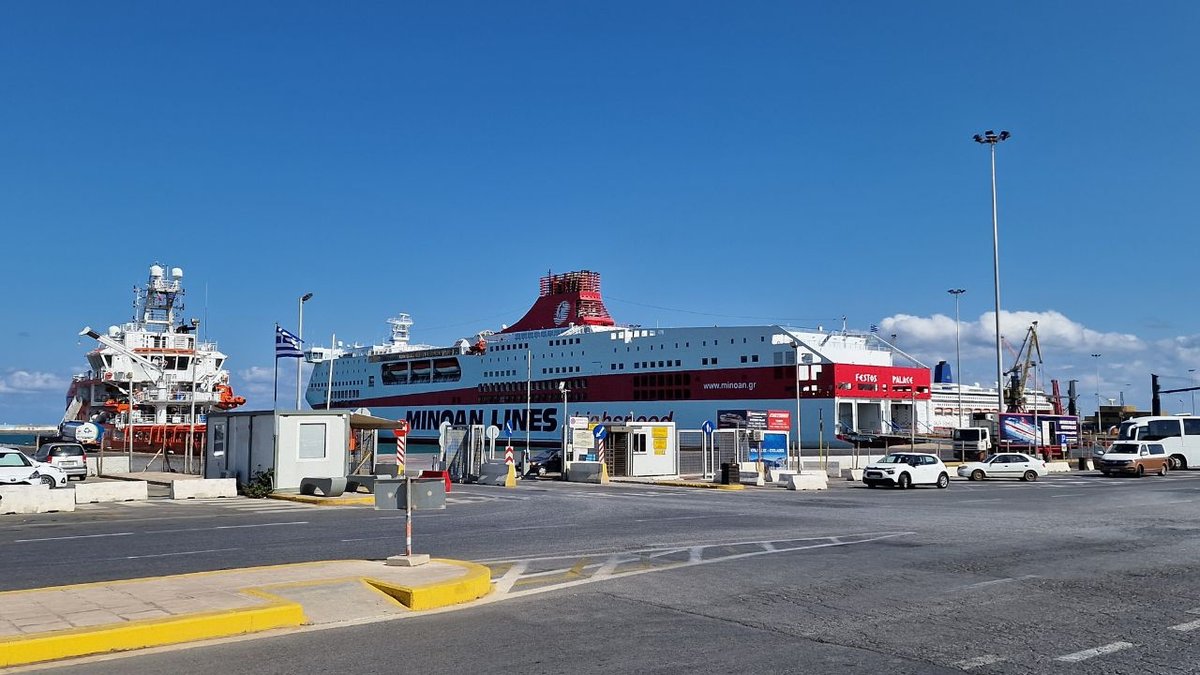
The ferry from Crete to Athens departs from Heraklion ferry port and arrives at Piraeus, Athens’ main port located about 10km south-west of the city centre. Piraeus is well connected to central Athens by metro (Line 1, Green Line) and bus, so getting into the city after docking is straightforward.
The crossing covers roughly 340 nautical miles. Departure from Heraklion is typically around 21:00–21:30, with arrival at Piraeus early the following morning — usually between 05:30 and 07:00 depending on the operator and season. This makes the heraklion to athens ferry a natural overnight journey: you go to sleep in Crete and wake up in Athens.
Sailings operate daily throughout summer (May–October) and at least five to six times per week in the off-season. Frequency drops slightly in winter, so always check the current schedule when booking outside peak season.
Ferry Operators: ANEK Lines and Minoan Lines
Two main operators run the piraeus heraklion ferry route: ANEK Lines and Minoan Lines. Both are established Greek shipping companies with modern, well-maintained vessels. In some periods the two companies operate jointly under a shared timetable arrangement, effectively doubling the frequency on the route.
ANEK Lines vessels on this route are large car ferries with a full range of passenger accommodation. Their ships typically carry around 1,500–2,000 passengers and hundreds of vehicles. Onboard amenities include restaurants, cafeterias, bars, a small shop, and sometimes a cinema or lounge areas.
Minoan Lines is known for its higher-spec vessels and has historically positioned itself at the premium end of the Crete to Athens ferry market. Minoan ships tend to have well-appointed cabins and a higher standard of restaurant and public space.
For current schedules and to compare prices between operators, use Ferryscanner — it searches all operators simultaneously and is the easiest way to book tickets online.
Ticket Types and Cabin Options
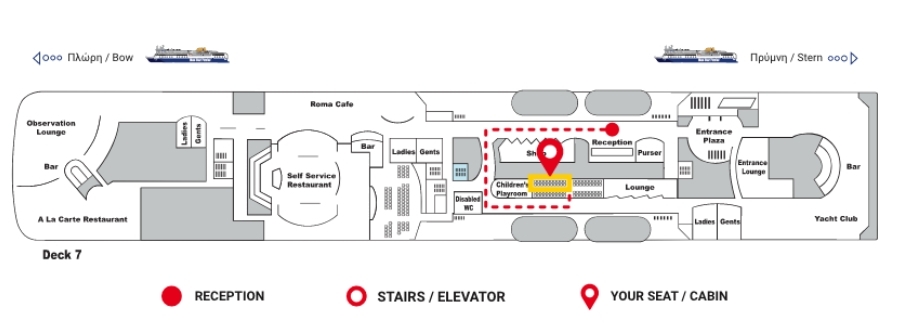
There are several accommodation options on the piraeus crete ferry, ranging from budget deck/seat tickets to private cabins. Here’s what to expect:
- Deck passage / Economy seat: The cheapest option. You get access to the ship’s common areas — reclining seats, lounges, cafeteria — but no guaranteed sleeping space. Fine for those who can sleep sitting up or don’t mind finding a quiet spot.
- Airline-style seat: A reserved reclining seat in a dedicated seating area. More comfortable than open deck, and you know where you’re sitting.
- 4-berth cabin: A shared cabin with four bunk beds, typically sold to individual passengers when travelling alone or in pairs. Budget-friendly and practical for a nine-hour overnight crossing. Cabins have a door that locks and usually include basic amenities.
- 2-berth cabin: More private, suitable for couples or two travellers. Prices are higher but the comfort level is considerably better.
- Luxury / De-luxe cabin: The top tier — larger cabins with en-suite facilities and sometimes exterior windows. Worth it for a good night’s sleep, particularly if you’re travelling regularly or during high season when the ship is full.
For an overnight crossing of nine hours, a cabin is a worthwhile investment. You arrive in Piraeus rested and ready for the day, rather than crumpled from a night in a reclining seat.
Taking Your Car on the Ferry
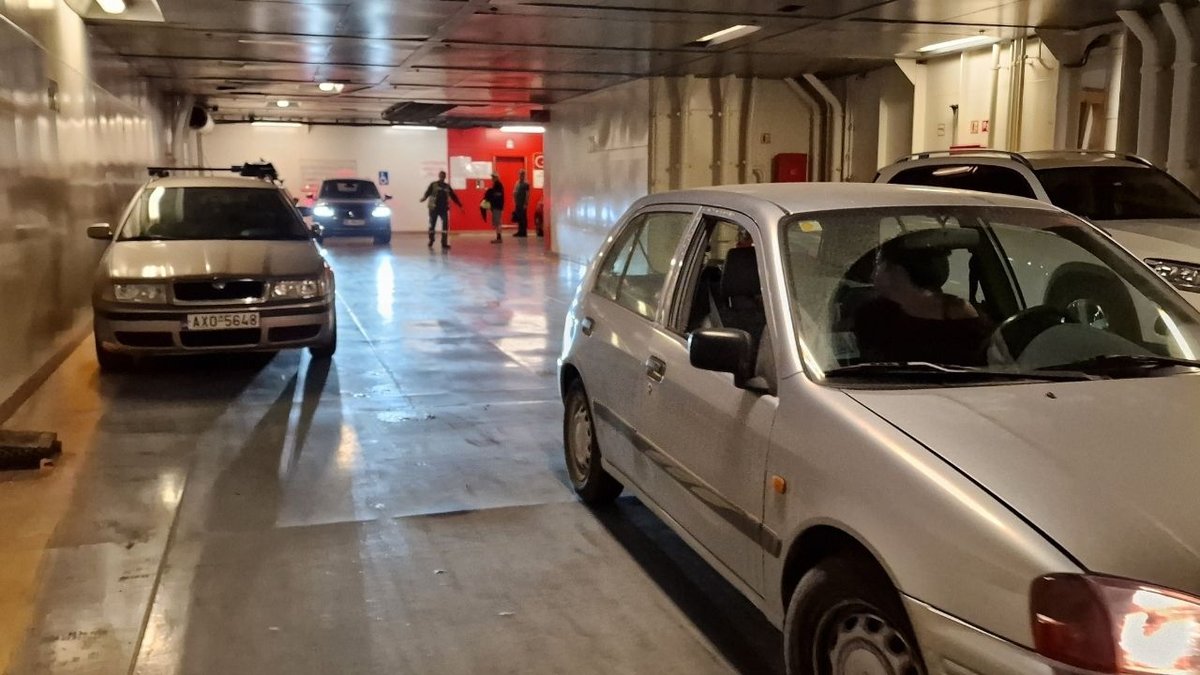
One of the main advantages of the ferry from Crete to Athens over flying is the ability to bring your vehicle. Both ANEK and Minoan vessels are large ro-ro (roll-on, roll-off) car ferries with substantial vehicle decks. Cars, campervans, motorbikes and even large trucks can be accommodated.
Vehicle tickets are priced by length — standard cars fall into the first category, with longer vehicles charged at higher rates. Book your vehicle space at the same time as your passenger ticket, especially in summer when vehicle spaces fill up well in advance of passenger seats.
At Heraklion, vehicles line up in the port staging area and are directed onto the car deck by crew. Once the car is parked and secured, you make your way up to the passenger decks for the crossing. Access to the vehicle deck is not permitted while the ship is at sea.
Arriving with a car also means you can drive straight off at Piraeus without waiting for luggage, which is a real advantage if you have an early start planned in Athens or beyond.
Heraklion Ferry Port: Arrival and Check-In
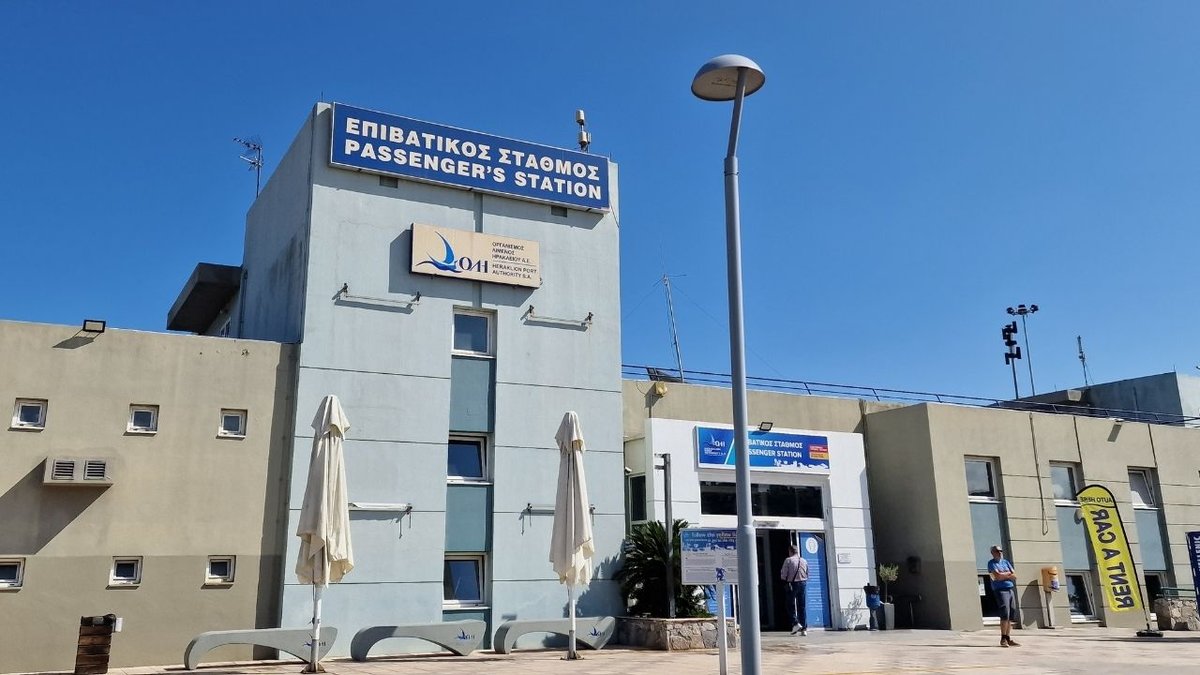
Heraklion port is compact and well-organised. The passenger terminal building is close to the berths, with check-in desks, a waiting area, toilets and a small cafe. If you’ve booked online, you can often go directly to the boarding gate — check your ticket for instructions, as some operators allow mobile ticket boarding.
Aim to arrive at the port at least 90 minutes before departure if you’re taking a vehicle, and at least 60 minutes if you’re a foot passenger. The port gets busy in summer and vehicle queues can build up. Late arrival risks losing your space even with a booking. For full details on the port layout, parking and facilities, see the dedicated Heraklion ferry port guide.
Note that Heraklion is not the only ferry port in Crete. If you’re staying in the west of the island, the Rethymno Ferry Port Crete guide may be relevant, though the Piraeus route operates primarily from Heraklion.
What to Expect Onboard
Both operators run large, modern ferries with a range of onboard facilities. Expect at least one sit-down restaurant serving Greek food, a cafeteria for quicker meals and snacks, a bar, and a small duty-free shop. Most ships have free Wi-Fi, though signal quality varies and tends to drop once you’re well offshore.
The crossing is overnight, so the ship is relatively quiet by midnight. If you don’t have a cabin, identify your seat or preferred sleeping spot early in the voyage — the best reclining seats and lounge areas fill up quickly. Blankets and pillows are not typically provided for economy passengers, so bring your own if you’re travelling without a cabin.
Onboard spending is in euros. If you’re unsure about currency before travelling to or from Crete, the What Is The Currency In Crete? guide has the details.
Booking Tips
- Book early in summer. July and August sailings, especially with cabins or vehicle spaces, can sell out weeks in advance. Don’t leave it to the last minute.
- Compare both operators. Prices and departure times differ. Use Ferryscanner to see all options side by side.
- Check the schedule for your travel date. Frequencies vary by season and operator. Daily sailings are common in summer but not guaranteed year-round.
- Cabin is worth the cost. For a nine-hour night crossing, the difference between a reclining seat and a two-berth cabin is significant in terms of how you feel the next day.
- Allow time at Piraeus. The port is large and arrival procedures take time. If you have a tight onward connection in Athens, factor in 30–45 minutes from docking to clearing the port.
Frequently Asked Questions
How long does the Heraklion to Athens ferry take?
The standard crossing time on the heraklion to athens ferry is approximately nine hours. Departures from Heraklion are typically in the evening around 21:00–21:30, with arrival at Piraeus between 05:30 and 07:00 the following morning. Journey times can vary slightly by operator and vessel.
How much does the Heraklion to Piraeus ferry cost?
Foot passenger tickets start from around 35–50 euros for economy/deck class and rise significantly for cabins. A standard two-berth cabin can cost 80–150 euros per person depending on the operator, season and how far in advance you book. Vehicle tickets add a further 60–120 euros for a standard car. Prices peak in July and August.
Which companies operate the ferry from Crete to Athens?
ANEK Lines and Minoan Lines are the two primary operators on the Crete to Athens ferry route. In some periods they operate under a joint schedule arrangement. Both run large car ferries with full passenger facilities. You can compare schedules and book with either operator through Ferryscanner.
Can I take my car on the Heraklion to Piraeus ferry?
Yes. Both ANEK and Minoan vessels are ro-ro car ferries with large vehicle decks. Cars, motorbikes, vans and large vehicles can all be transported. Book your vehicle space at the same time as your passenger ticket — vehicle spaces sell out faster than seats, particularly in high season.
What is the best ticket type for the overnight crossing?
For a nine-hour overnight journey, a cabin is the most comfortable option and generally worth the extra cost. A four-berth cabin is the budget-friendly middle ground between a deck seat and a private two-berth cabin. If cost is the primary concern, an airline-style reserved seat is preferable to open deck class for a night crossing.