Useful Resources for Your Greek Island Trip
- Find accommodation in Greece – hotels, apartments and villas on Booking.com
- Book tours and activities in Greece via Viator
- Find guided experiences and day trips via GetYourGuide
- Compare car hire prices in Greece via DiscoverCars
Visiting the Greek islands in winter is a very different experience from summer — quieter, cheaper, and sometimes surprising in what’s still open and accessible.
Most people assume Greece shuts down between November and March. The reality is more nuanced. Some islands go almost completely dormant. Others — particularly the larger ones — remain active year-round, with local life continuing at a slower, more authentic pace. Whether you’re considering a winter holiday in Greece or just want to know what to expect, this guide covers everything: which islands stay open, what the weather is actually like, ferry schedules, and which months are worth visiting.
When Do Greek Islands Close for Winter?
This depends heavily on the size of the island. The small Cycladic islands — Ios, Folegandros, Milos, Koufonisia — largely shut down from late October through April. Most hotels, restaurants, and tour operators close, and ferry connections thin out significantly. If you’re hoping to island-hop around the Cyclades in winter, you’ll find limited options and closed doors.
The larger islands operate differently. Crete, Corfu, Rhodes, and Santorini all have resident populations large enough to support year-round services. You’ll find open supermarkets, pharmacies, local tavernas, and functioning transport. The tourist infrastructure scales back, but these islands don’t close.
As a general rule: if an island has fewer than 3,000 permanent residents, assume it’s effectively closed in winter. If it has a functioning town with schools, government offices, and a year-round port, it’s accessible.
What Is Winter Weather Like in Greece?
Greece in winter is not the Mediterranean paradise of the brochures, but it’s also not northern Europe. Temperatures vary significantly by region and month.
Crete and the Southern Islands
Crete is consistently the warmest part of Greece in winter. Average daytime temperatures in Heraklion and Chania sit around 14-17°C in December and January, with occasional sunny stretches that feel genuinely pleasant. Rain is more frequent than summer but rarely heavy or prolonged. The south coast, facing Africa, tends to be milder than the north.
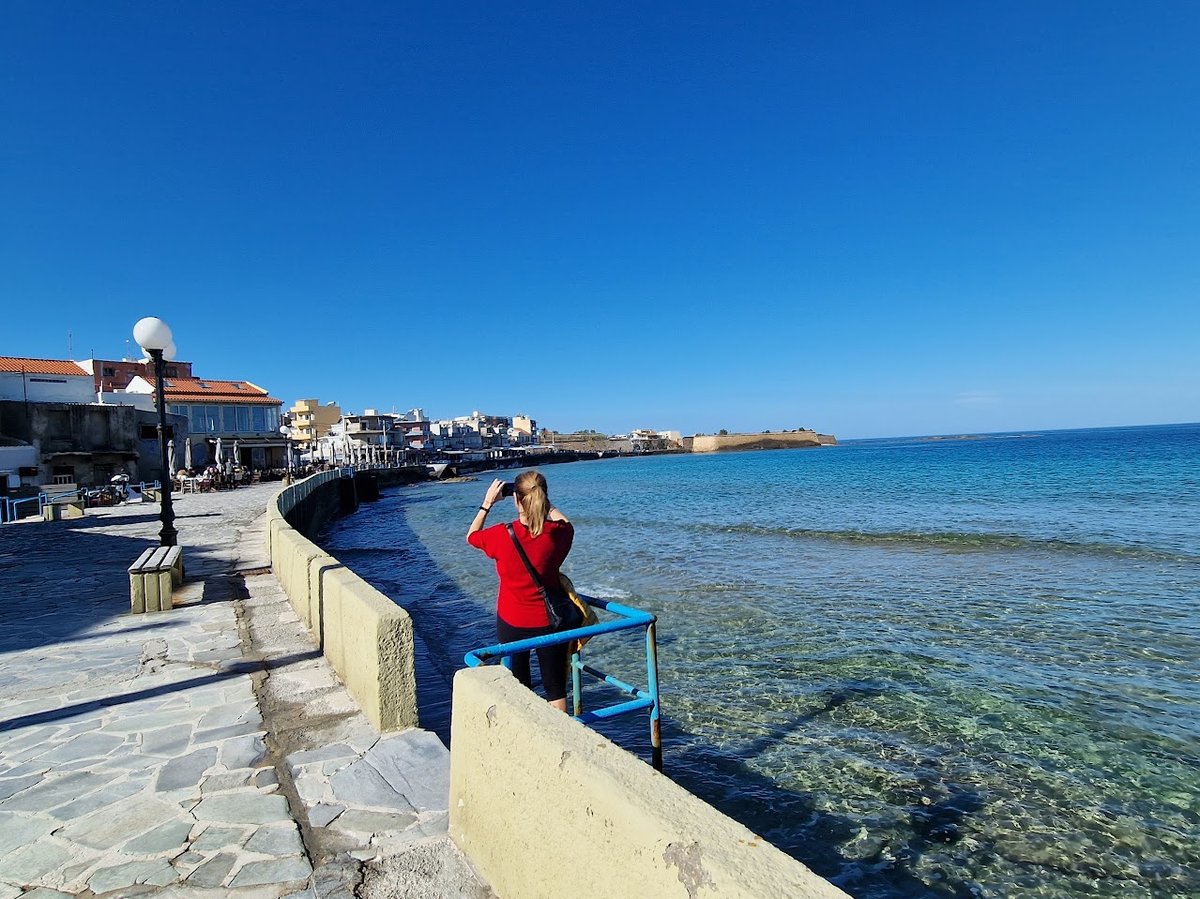
The Archaeological Museum in Chania is one of the best on the island and open year-round — a good reason to visit in the quieter months when you’re not competing with tour groups.
The Cyclades and Dodecanese
Rhodes sits at the southern tip of the Dodecanese and is one of the warmest Greek islands in December and January. Average temperatures hover around 13-16°C. It rains more than summer, but sunny days are common. Rhodes town retains enough year-round population to feel alive even in February.
The Cyclades get windier and wetter in winter. Naxos and Paros have small but permanent communities, and some accommodation stays open. Santorini keeps a skeleton crew of hotels and restaurants running through winter — primarily for visitors doing the island outside of peak season deliberately.
Corfu and the Ionian Islands
The Ionian islands are the wettest part of Greece in winter, which is also why they’re so green in spring. Corfu gets significant rainfall between November and March. It’s mild — rarely cold — but not the destination for winter sun. That said, Corfu town is a functioning city with museums, restaurants, and culture that operates year-round.
Which Are the Best Greek Islands to Visit in Winter?
The honest answer is: the ones with enough infrastructure to support visitors. Here are the most reliable options.
Crete
Crete is the standout choice for a winter holiday in Greece. It’s the largest island, with cities (Heraklion, Chania, Rethymno) that function fully year-round. Museums, restaurants, archaeological sites, and hiking trails are all accessible. Prices are substantially lower than summer. Hotels that stay open often offer significant discounts. The Heraklion Ferry Port maintains regular connections to Piraeus throughout winter, and the Heraklion to Piraeus ferry runs nightly year-round.
Rhodes
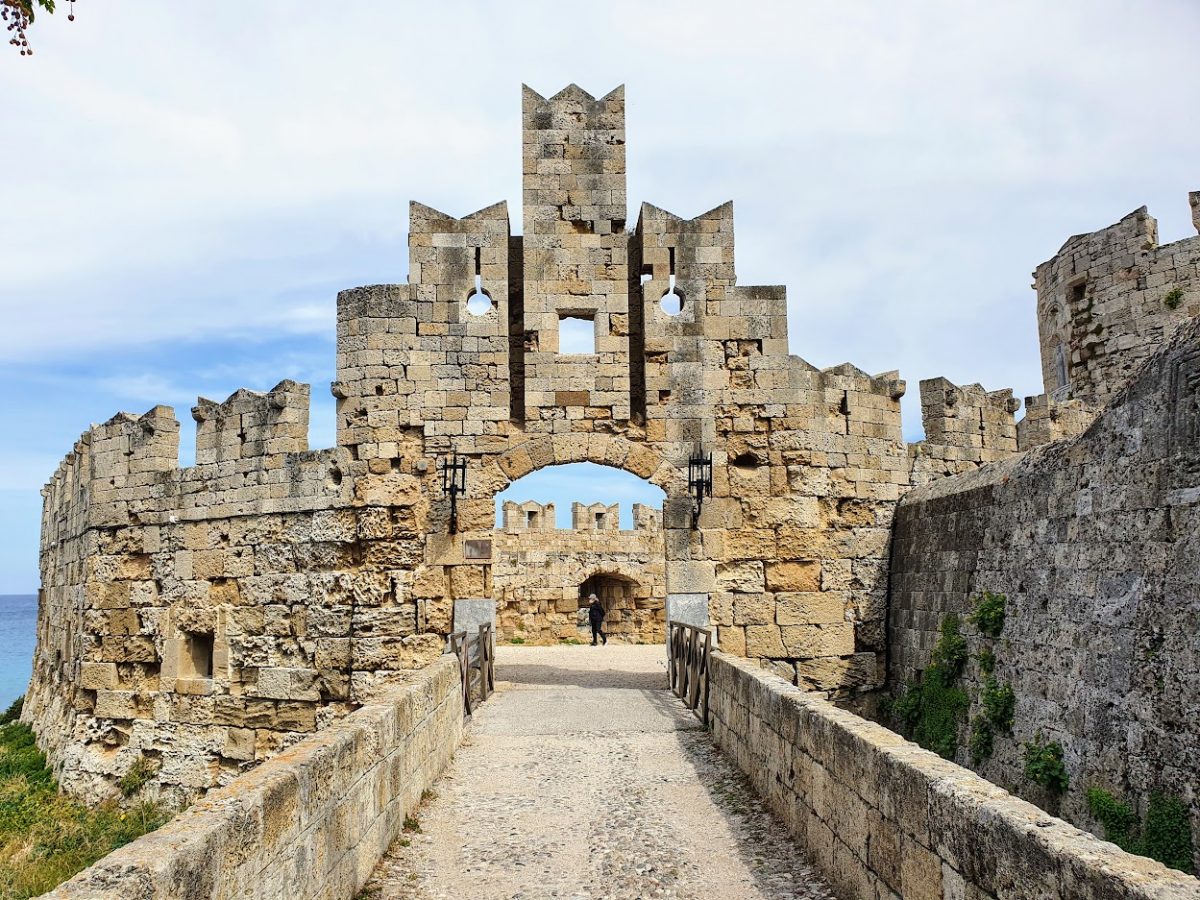
Rhodes is the warmest Greek island in December and January by most measures. The medieval old town is one of the best-preserved in Europe, and it’s far more pleasant to explore when the streets aren’t packed. Some hotels and restaurants in Rhodes town stay open through winter. Ferry services continue, though less frequently than summer.
Corfu
Corfu offers a different kind of winter visit. It’s wet, but the town itself has genuine culture — Venetian architecture, good restaurants, the Liston arcade. If you want an off-season break with atmosphere rather than beach time, Corfu works. Ferry connections from Igoumenitsa run year-round.
Santorini
Santorini retains a small year-round scene. Oia and Fira have a handful of hotels and restaurants open through winter. The caldera views are as dramatic in January as in August, and there are no crowds at all. It’s not a conventional winter sun destination, but for the experience of Santorini without the summer madness, winter works.
Naxos
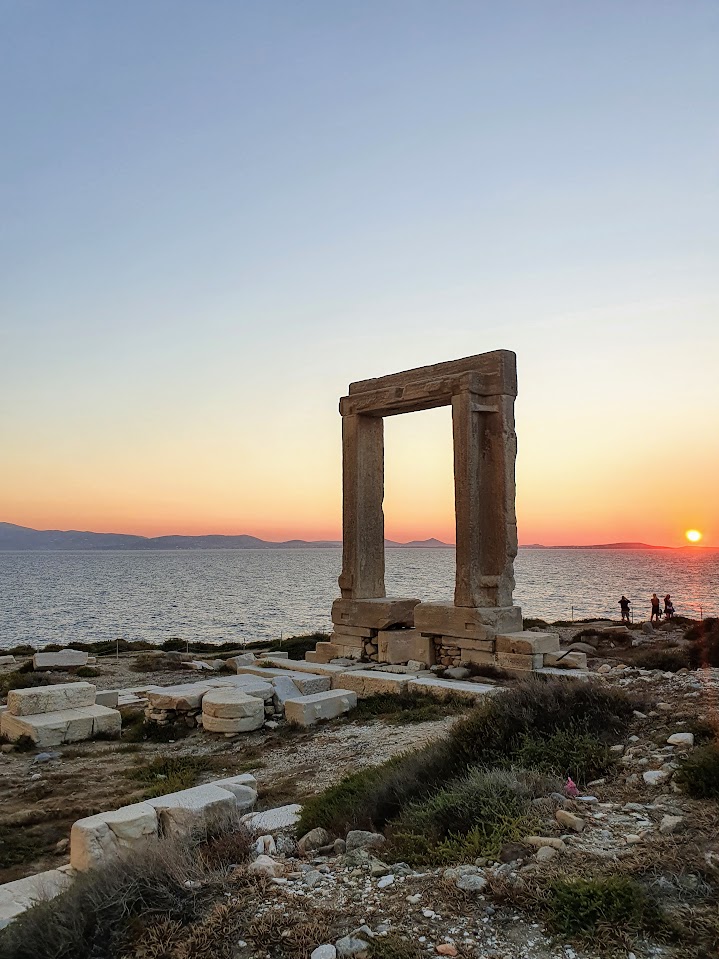
Naxos has a large enough local population to support year-round services. The Portara — the iconic marble doorway on the islet at the port entrance — is accessible any time of year and worth seeing.
Naxos town (Chora) has a proper market, local restaurants, and cafes that stay open year-round. The island is self-sufficient in a way that smaller Cycladic islands aren’t.
Greek Islands in February: What to Expect
February is the quietest month for Greek island tourism, but it also means the most honest version of each island. Local life continues. Prices are at their lowest. Carnival season (Apokries) typically falls in February, and Greek towns — including island towns — celebrate it seriously, with parades and events that tourists rarely see.
Greek islands in February means weather that’s unpredictable but not unpleasant. You might get a run of sunny, 17-degree days. You might get a week of rain and wind. Plan for both, and don’t build an itinerary that requires good weather every day.
Greek Islands in December and January
December in Greece means Christmas and New Year celebrations. Greek towns put up lights and hold markets. Athens is particularly lively over Christmas, and Athens makes an excellent base for a winter trip — the Acropolis, museums, and food scene operate year-round and without summer queues.
Greek islands in January are the hardest month for island visitors. Many hotels that stayed open for Christmas close again in January and don’t reopen until March. If you’re planning a January trip, confirm accommodation availability directly before booking flights.
Ferry Travel in Winter Greece
Winter ferry schedules in Greece run significantly less frequently than summer. Routes that have daily departures in July may drop to two or three per week in January. Some inter-island routes — particularly between smaller Cycladic islands — may suspend entirely.
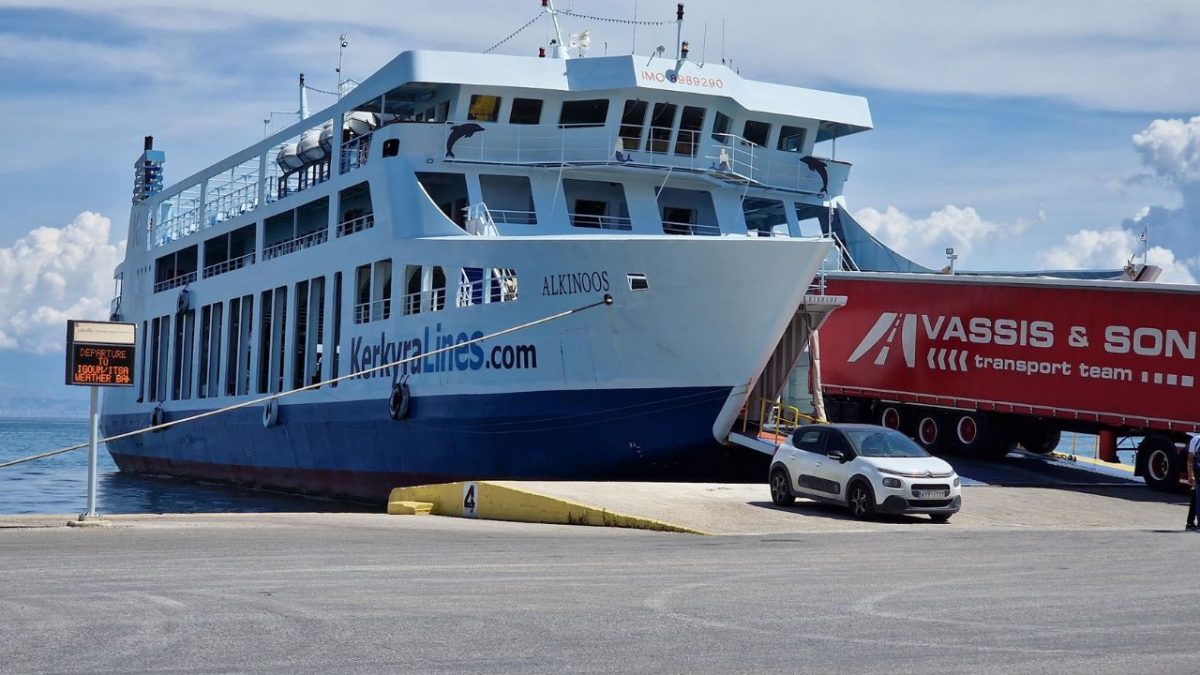
The other winter factor is weather cancellations. Greek ferries don’t sail in high winds, and the Aegean is a lot rougher in winter than summer. Build flexibility into any ferry-dependent itinerary. If you’re planning ferry trips in Greece in winter, check schedules on Ferryscanner, which aggregates live availability across all operators.
Routes like Ios to Kythnos or Paros to Donoussa that rely on smaller local ferries are the ones most likely to be suspended or reduced in winter. The main trunk routes — Piraeus to Crete, Piraeus to Rhodes, Piraeus to Corfu — operate year-round but less often.
For Dodecanese connections, the Karpathos to Sitia ferry is one of the routes that continues through winter, providing an important link between the Dodecanese and eastern Crete. Routes like Syros to Ios run reduced winter schedules — check before committing to an itinerary.
Practical Tips for Winter Holidays in Greece
- Book accommodation directly. Many winter-open hotels don’t list availability on booking platforms. A direct email or phone call confirms whether they’re actually open and often gets you a better rate.
- Check ferry schedules before flights. Confirm your inter-island connections are running in winter before you book non-refundable flights. Use Ferryscanner to check live schedules.
- Pack layers. Daytime temperatures can be pleasant, but evenings get cold. Wind is more of a factor in winter than summer, especially on ferry decks.
- Expect reduced restaurant hours. Local tavernas may open only for dinner, or close on certain weekdays. Ask at your accommodation what’s actually open nearby.
- Plan for cancellations. Ferry cancellations due to weather happen. Have a backup plan, especially if you’re traveling to an island with only two or three sailings per week.
- Car hire is cheaper and easier. Winter is the easiest time to hire a car on the larger islands. No queues, lower rates, and you can explore at your own pace.
- Zakynthos is another island worth considering for a quieter visit — there’s useful first-hand information about Zakynthos in winter from people who have done it.
FAQ: Greek Islands in Winter
What is the warmest Greek island in winter?
Crete and Rhodes are consistently the warmest Greek islands in winter, with average daytime temperatures of 14-17°C in December and January. Of the two, Crete has more open infrastructure — accommodation, restaurants, and attractions — making it the more practical choice for a winter visit.
When do Greek islands close for winter?
Small islands typically close between late October and early April. Larger islands — Crete, Rhodes, Corfu, and to some extent Santorini and Naxos — stay open year-round, though with reduced services. The cut-off is roughly: if an island can’t sustain itself economically without tourists, it closes.
Is February a good time to visit the Greek islands?
February is the quietest month and the cheapest. Weather is unpredictable — you might get sun, you might get rain and wind. It’s a good time if you want to see an island without any tourist infrastructure, or if you specifically want to experience Greek Carnival season. For beach holidays, February doesn’t work.
Are ferries running in winter Greece?
Yes, but on reduced schedules. Main routes (Piraeus to Crete, Piraeus to Rhodes) run year-round. Inter-island routes between smaller islands may be suspended or cut to two or three weekly departures. Weather cancellations are more common in winter. Always check current schedules rather than assuming summer timetables apply.
Can you swim at Greek beaches in winter?
Sea temperatures around Crete and Rhodes drop to around 16-17°C in February — cold but manageable for a short swim if you’re determined. Most visitors don’t swim in winter, but beaches are accessible and often scenic without the summer crowds.
Is Greece in winter worth it?
For the right kind of trip, yes. Winter in Greece suits travellers who want history, food, and authenticity over beaches and nightlife. It’s significantly cheaper, less crowded, and in some ways more representative of what Greece is actually like. The main constraint is infrastructure — you need to choose islands that stay open, and build flexibility into ferry-dependent itineraries.