Useful Resources for Your Greek Island Trip
- Find accommodation in Greece – hotels, apartments and villas on Booking.com
- Book tours and activities in Greece via Viator
- Find guided experiences and day trips via GetYourGuide
- Compare car hire prices in Greece via DiscoverCars
Corfu (Kerkyra) is one of the most visited of the Ionian islands of Greece, combining Venetian architecture, dense olive groves, clear Ionian water, and straightforward ferry connections that make it accessible from both mainland Greece and Italy.
This travel guide to Corfu covers everything you need to plan a trip: how to get there, where to stay, what to do, what to eat, and practical tips that save you time and avoid common mistakes. Whether it’s your first visit or you’re returning to explore beyond the tourist trail, this is the reference you need.
Getting to Corfu
Most visitors arrive by air or ferry. Corfu International Airport (CFU) handles direct flights from across Europe during the summer season, with connections from Athens and Thessaloniki year-round. Flying is the fastest option if you’re coming from outside Greece.
If you’re travelling overland through Greece or coming from Italy, the ferry is the natural choice. The main ferry route to Corfu is from Igoumenitsa, the port town on the Greek mainland directly across the water. The crossing takes around 90 minutes and operates multiple times daily, including early morning and late evening sailings. Ferries also run from Patras and from Italian ports including Ancona, Bari, Brindisi, and Venice — a popular route for travellers doing a longer Adriatic circuit.
Book ferry tickets in advance for July and August, especially if you have a vehicle. You can compare routes and operators via Ferryscanner.
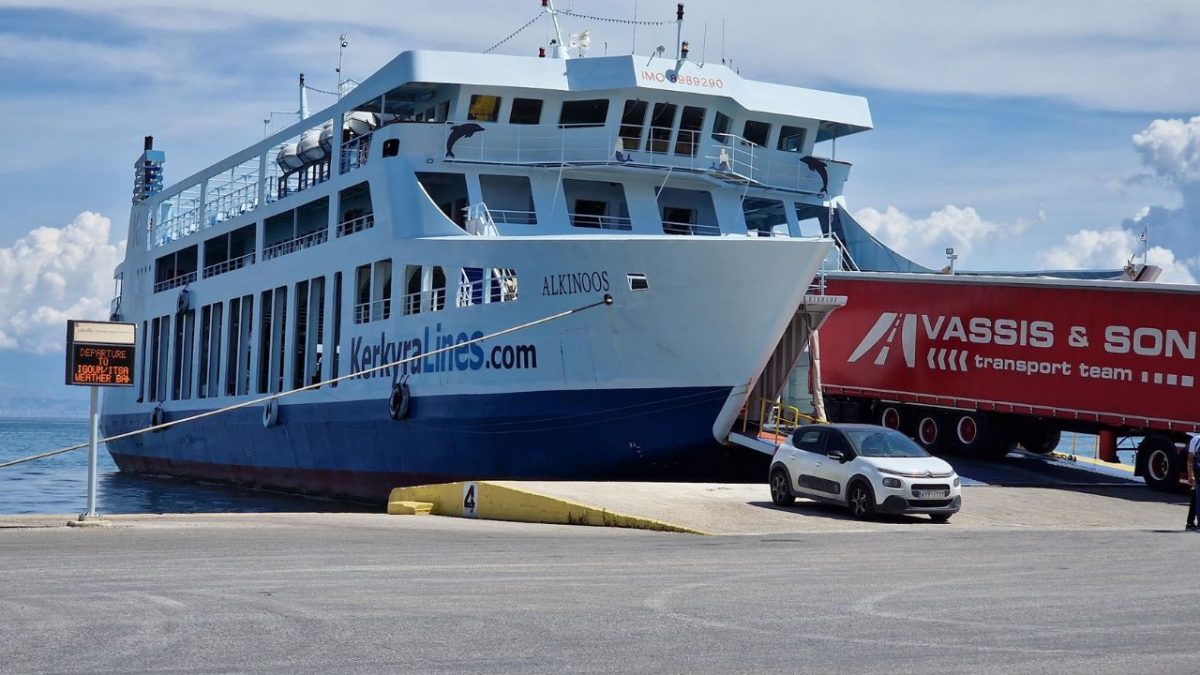
Arriving at Corfu Town Port
Ferries dock at the main ferry port in Corfu Town, which is centrally located and within walking distance of the Old Town. Taxis are available outside the terminal building. If you’d prefer a pre-arranged transfer from either the port or the airport, you can schedule a pick-up in advance to avoid the queue on arrival.
Getting Around Corfu
Corfu is a large island — around 60 km long — so having your own transport makes a significant difference to how much you can see. Car hire is widely available and reasonably priced outside peak season. A scooter or quad bike is a practical option for solo travellers or couples exploring the coast.
The public bus network (KTEL) connects Corfu Town to major villages and resorts, though frequency drops in the evening and is limited on Sundays. It’s fine for day trips from Corfu Town if you plan around the timetable. Taxis are metered and reliable for shorter journeys.
When to Visit Corfu
The main tourist season runs from April to October. July and August are the busiest months: beaches are crowded, accommodation prices peak, and the ferry from Igoumenitsa fills up. If you want warmth without the crowds, May, June, and September are the practical choices — sea temperature is still comfortable, and prices are lower.
Outside the summer season, much of the tourist infrastructure closes. Winter in Corfu is mild by northern European standards but wet, and the island operates at a quieter, local rhythm. Some travellers find the off-season appealing for that reason.
Corfu’s Beaches
The island has a large number of beaches across its coastline, ranging from busy organised stretches with sunbeds and water sports to remote coves only accessible by boat or a steep path.
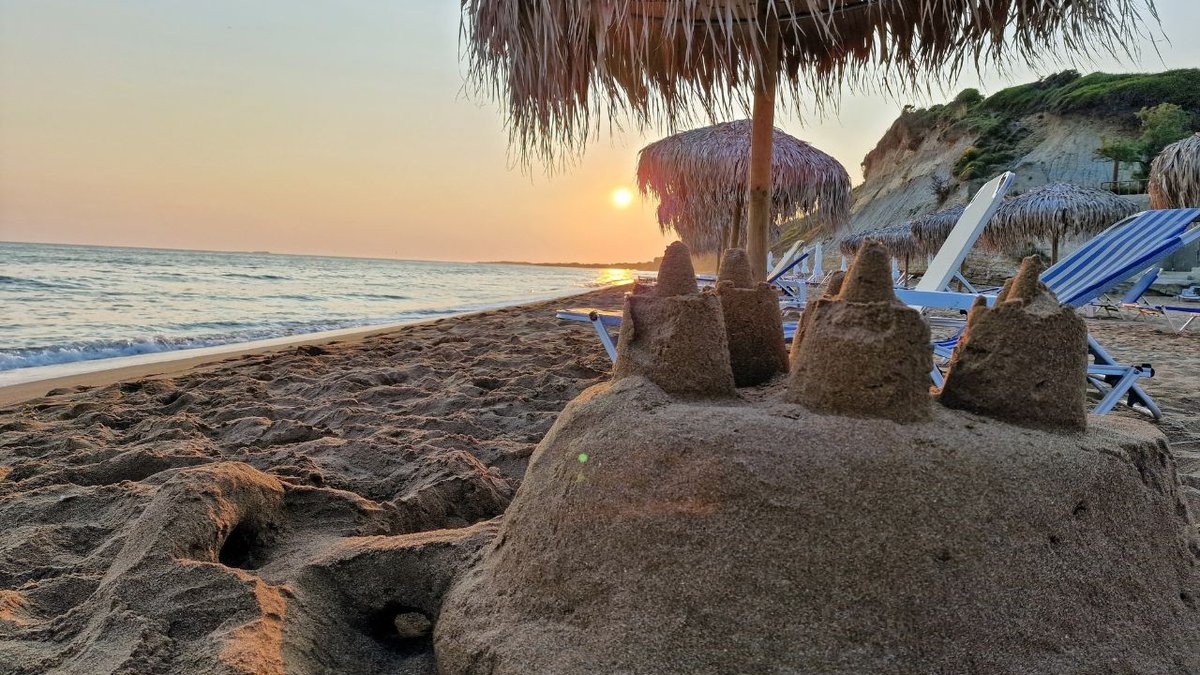
Some of the most well-regarded beaches include:
- Paleokastritsa — Several sheltered coves on the west coast with deep blue water. Gets busy, but the setting is impressive. Best visited early morning.
- Sidari — Long stretch of sand in the north, popular with families. Known for the Canal d’Amour rock formations.
- Glyfada — Wide sandy beach on the west coast. One of the larger organised beaches on the island.
- Agios Gordios — Long sandy beach on the southwest coast with fewer crowds than some of the northern resorts.
- Agios Stefanos (northeast) — Quieter, pebbly beach in the northeast, good for snorkelling.
- Issos — A long undeveloped stretch in the south, backed by dunes. One of the least commercialised beaches on the island.
What to Do in Corfu
Corfu Old Town
The Old Town of Corfu (Kerkyra) is a UNESCO World Heritage Site. Its narrow alleyways — known as kantounia — wind between pastel-coloured Venetian buildings, Orthodox churches, and French-era arcaded streets. The Liston promenade, modelled on the Rue de Rivoli in Paris, is lined with cafes and is the social centre of the town. The two Venetian forts — the Old Fortress on the eastern promontory and the New Fortress above the port — are both open to visitors and worth the entrance fee for the views alone.
Achilleion Palace
Built in the late 19th century for Empress Elisabeth of Austria and later owned by Kaiser Wilhelm II, the Achilleion Palace sits on a hillside above the village of Gastouri, about 12 km from Corfu Town. The gardens are the main attraction, with a terrace overlooking the sea and several large statues of Achilles. The interior is preserved as a museum.
Villages and the Interior
The interior of Corfu is densely covered in olive trees — some of them centuries old — and dotted with traditional villages that most package tourists never see. Pelekas, Sinarades, and Makrades are worth a detour. The village of Kassiopi in the northeast has a small harbour, ruins of a 13th-century castle, and a calmer atmosphere than the larger resorts.
Day Trips to Paxos
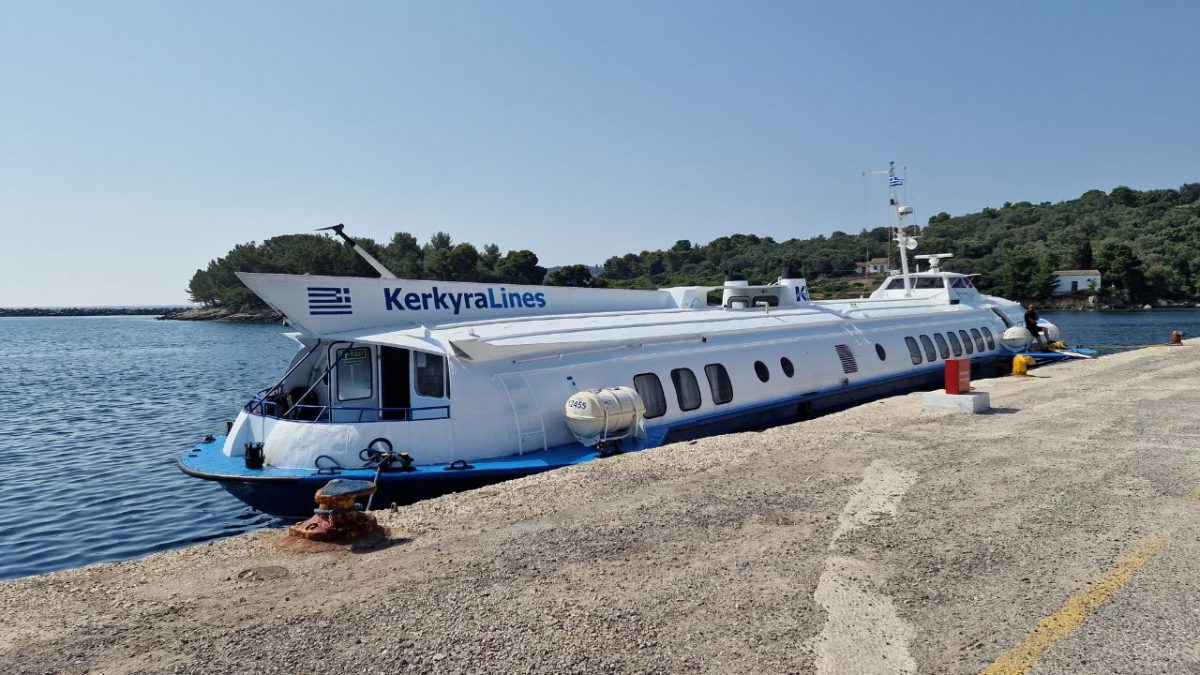
A boat trip to Paxos is one of the most popular day excursions from Corfu. The small island is known for its sea caves, turquoise water at Antipaxos, and the quiet Venetian harbour of Gaios. Day trip boats depart regularly in summer from Corfu Town and from several northern resorts.
Food and Drink in Corfu
Corfiot cuisine is one of the more distinct regional cuisines in Greece, shaped heavily by centuries of Venetian rule. Dishes that you won’t find easily elsewhere in Greece are a feature here, not a coincidence.
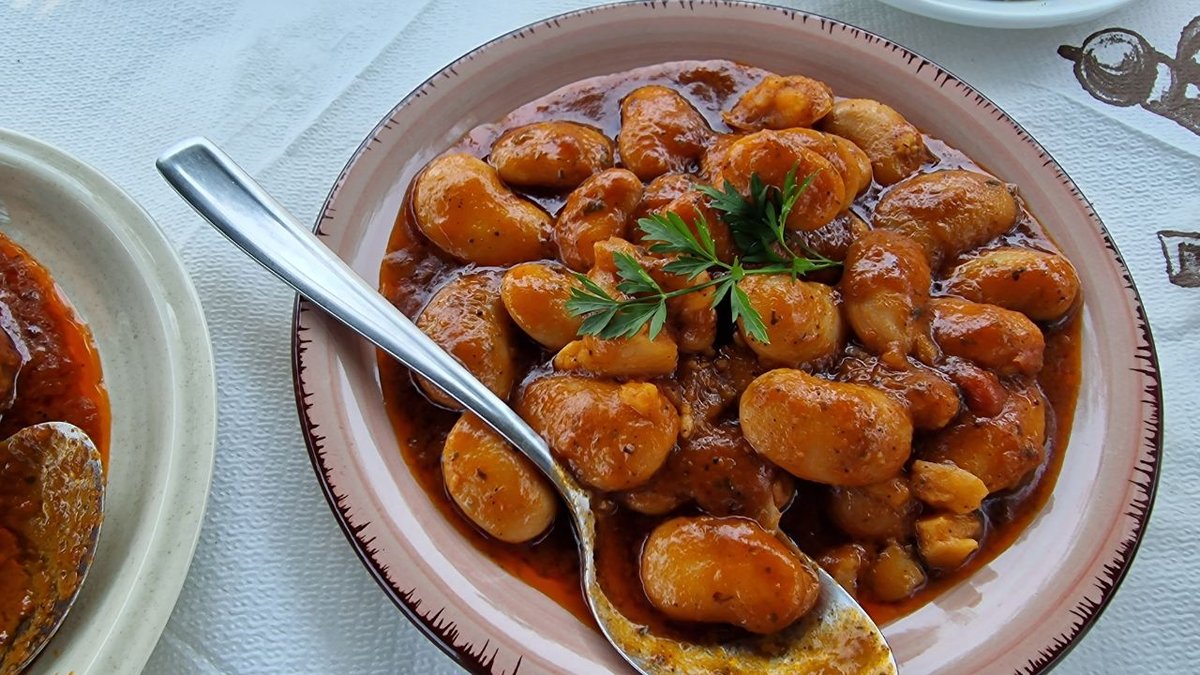
Dishes to look for:
- Sofrito — Thin slices of veal cooked in a white wine, garlic, and parsley sauce. The definitive Corfiot dish.
- Pastitsada — A slow-cooked meat stew with pasta and a spiced tomato sauce. Originally made with rooster, though beef and veal versions are now more common.
- Bourdeto — A peppery fish stew, usually made with scorpionfish, that has more heat than most Greek food.
- Kumquat liqueur — Corfu is the only place in Europe where kumquats are commercially grown. The liqueur, available in every tourist shop, is actually good.
- Mandolato — A nougat confection made with honey and nuts, a local sweet you’ll find in bakeries and gift shops.
For the best food, eat away from the heavily touristed waterfront areas. The backstreets of Corfu Old Town have several tavernas that serve honest Corfiot cooking at fair prices. Village tavernas in the interior are often the best option for lunch.
Where to Stay in Corfu
Accommodation ranges from large resort hotels on the northern coast to small boutique hotels in Corfu Town and self-catering villas scattered across the island. Where you stay shapes your experience significantly.
- Corfu Town — Best for those who want to explore the Old Town on foot, use public transport, and avoid resort atmosphere. A mix of small hotels, apartments, and a growing number of boutique properties.
- Paleokastritsa area — Popular with visitors who prioritise beaches and scenery. Quieter than the north.
- Sidari and Roda — Mass-market resort areas in the north. Good if you want an organised beach holiday with plenty of bars and restaurants nearby.
- Kassiopi and Nissaki — More upmarket northeast coast villages, popular with independent travellers and villa renters.
Search and book accommodation via Booking.com, which has comprehensive listings across all areas of the island.
Practical Travel Tips for Corfu
- Currency: Greece uses the euro. Read more about the currency in Corfu if you’re unsure about what to bring or whether cards are widely accepted (they are, in most places).
- Language: English is spoken widely in tourist areas. In villages, basic Greek phrases go a long way.
- Driving: Roads outside the main routes can be narrow and poorly signed. A GPS or downloaded offline map is essential if you’re hiring a car.
- Sun: Summer sun in Corfu is intense. Factor 30+ is the minimum for anyone spending time on the beach. Shade is limited on many beaches.
- Crowds: July and August are genuinely very busy. If crowd tolerance is low, visit in June or September.
- Tap water: Safe to drink in Corfu Town. In some villages and rural areas, stick to bottled water unless told otherwise.
Frequently Asked Questions
How do I get to Corfu from mainland Greece?
The most common route is by ferry from Igoumenitsa, which takes around 90 minutes. Ferries also run from Patras, though the journey is longer. Flying from Athens takes around an hour and is a practical option, especially outside summer when ferry frequency drops.
What is the best time to travel to Corfu?
May, June, and September offer the best balance of warm weather, reasonable prices, and manageable crowds. July and August are the peak season — beaches are busy and accommodation books up well in advance. Winter is quiet and some tourist facilities close.
What are the things to know before going to Corfu?
Hire a car if you want to explore beyond your resort. Book ferry tickets and accommodation in advance for summer travel. The Old Town is best explored on foot — don’t try to drive through it. Corfiot food is distinct from mainland Greek cuisine and worth seeking out in local tavernas rather than tourist-facing restaurants.
Is Corfu good for a holiday beyond just beaches?
Yes. The UNESCO-listed Old Town alone warrants a visit even if you have no interest in beaches. The Achilleion Palace, the island’s interior villages, the food culture, and day trips to Paxos all add depth to a Corfu holiday. It’s a well-rounded destination.
How do I travel around Corfu once I arrive?
A hire car is the most flexible option for getting around Corfu. The KTEL bus network covers major routes from Corfu Town but has limited frequency, particularly in the evening. Taxis are available and metered. For the Old Town itself, everything is walkable.
Is Corfu part of Greece or independent?
Corfu (its Greek name is Kerkyra) is a Greek island and part of the Ionian Islands regional unit. It uses the euro, is an EU member destination, and operates under Greek law. It was historically under Venetian and then British rule before unification with Greece in 1864, which explains the distinctive architecture and cuisine.